Is Redmond, Washington Walkable? What You Need to Know Before You Move
Redmond, Washington is best known as the home of Microsoft and Nintendo of America, but there is far more to this thriving Eastside city than its tech credentials. With a charming...

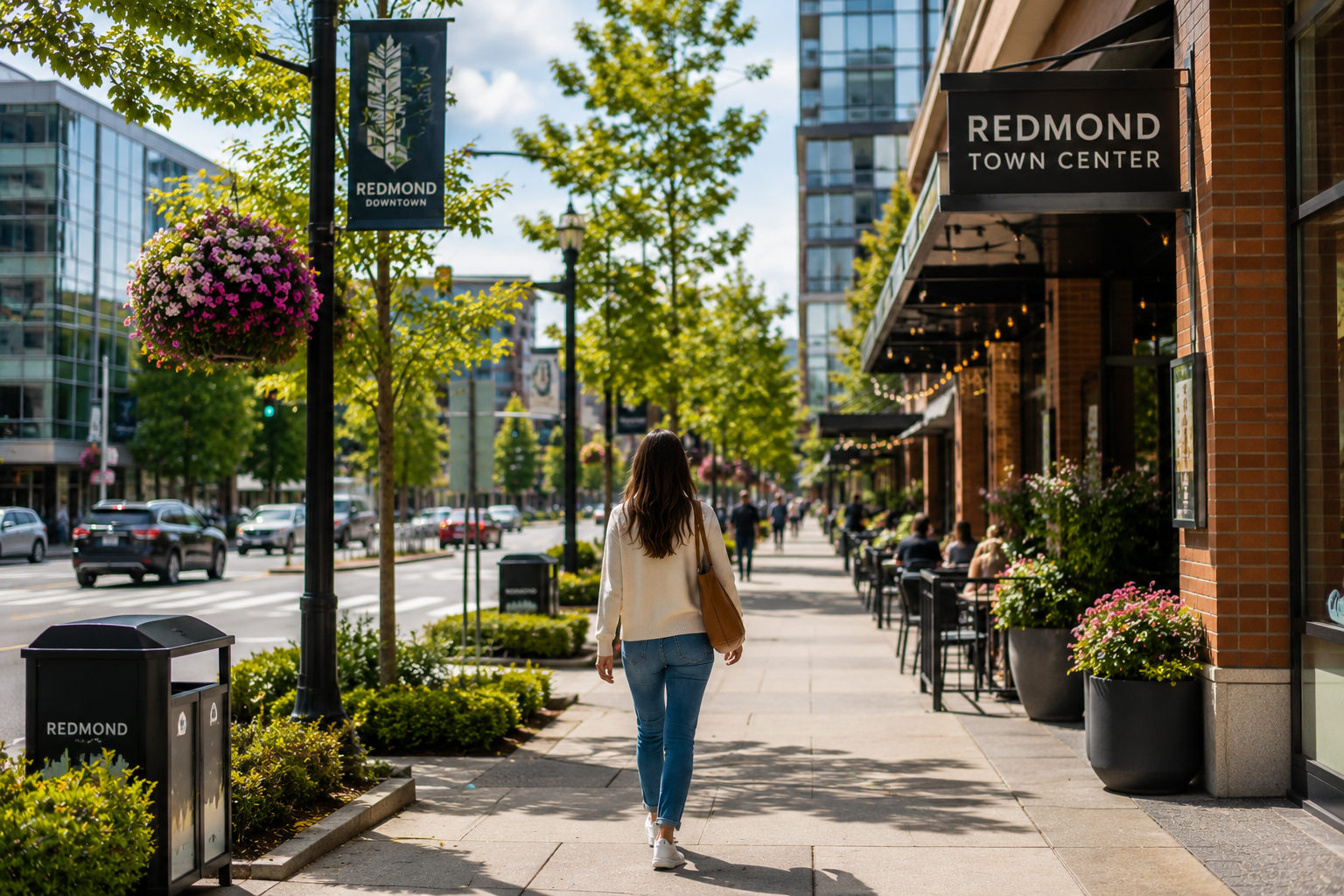
Redmond · Community Photo
Redmond, Washington is best known as the home of Microsoft and Nintendo of America, but there is far more to this thriving Eastside city than its tech credentials. With a charming downtown, an expanding light rail connection, and one of the most impressive trail networks in the Pacific Northwest, Redmond has quietly become one of the most livable and increasingly walkable cities in the greater Seattle area. But like any city, walkability in Redmond depends on where you live and what you need. Here is what you need to know.
What Walkability Means in Redmond
Walkability in Redmond is a story of exciting momentum. The city has invested heavily in pedestrian infrastructure, trail connectivity, and downtown revitalization over the past decade. The arrival of Sound Transit's light rail extension to Redmond has accelerated that progress, making car-free and low-car living more realistic than ever for residents who choose the right neighborhood. Understanding where those pockets of walkability exist will help you find the right fit.
Where Redmond Shines for Walkability
Downtown Redmond: Redmond's downtown core has undergone significant transformation in recent years. Centered around Redmond Town Center and the surrounding streets, downtown offers restaurants, coffee shops, retail, and community gathering spaces within a compact and increasingly walkable area. The city has prioritized pedestrian-friendly streetscaping, and the energy downtown continues to grow.
The Sammamish River Trail: One of the crown jewels of Redmond's outdoor lifestyle, the Sammamish River Trail stretches for miles through the city and connects to the broader King County trail network. Residents who live near the trail enjoy exceptional active walkability, with easy access to parks, open spaces, and neighboring communities on foot or by bike.
Marymoor Park: At over 600 acres, Marymoor Park is one of the largest and most beloved parks in King County. Residents near this anchor green space enjoy unmatched recreational walkability, from off-leash dog areas to concert venues to athletic fields, all accessible without a car for those in the surrounding neighborhoods.
Light Rail Access: The extension of Sound Transit's light rail into Redmond has been a game changer for walkability and transit-oriented living. Residents near the Redmond Technology and Downtown Redmond stations can access Seattle and the broader Eastside without a car, fundamentally changing what car-free life looks like in this city.
Where Walkability Has Its Limits
Suburban Neighborhoods Away from the Core: Much of Redmond's residential landscape consists of suburban neighborhoods designed primarily around the car. Areas farther from downtown or the trail network tend to require driving for daily errands, dining, and services.
Every Thursday — local news, events, deals, and new listings. Free forever.
Ongoing Development Gaps: While Redmond's walkability is improving rapidly, some areas still lack consistent sidewalk infrastructure or feel disconnected from the city's most walkable corridors. Growth is happening fast, but gaps remain.
Highway Corridors: Major roads like Redmond Way and State Route 520 create pedestrian barriers that can make crossing between neighborhoods on foot feel uncomfortable or impractical in certain areas.
What Redmond's Walk Score Looks Like
Redmond's Walk Score varies significantly by neighborhood. Downtown and areas near the light rail stations score considerably higher than the city average, reflecting genuine urban walkability. Suburban neighborhoods farther from the core tend to fall into the car-dependent range. Always check the Walk Score for a specific property and pair it with an in-person visit to get a true sense of the pedestrian experience.
Tips for Finding a Walkable Home in Redmond
- Prioritize neighborhoods near downtown Redmond, the light rail stations, or the Sammamish River Trail for the best walkability.
- Consider proximity to Marymoor Park if outdoor and recreational walkability matters to you.
- Use Walk Score as a starting point, then walk the neighborhood yourself before committing.
- Ask your real estate agent about sidewalk access, trail connectivity, and transit options for any home you are considering.
- Think about how light rail access could reduce your car dependence even if your neighborhood is not traditionally walkable.
Finding Your Walkable Spot in Redmond
Redmond is a city in the middle of a walkability transformation, and the best may still be ahead. Whether you are drawn to the energy of downtown, the trails along the Sammamish River, or the convenience of light rail access, Redmond offers a growing range of options for pedestrian-friendly living. Start your home search today on Explore Redmond. Planning your move to Redmond? Connect with Ed Laine for expert local guidance and help finding the neighborhood that fits the way you want to live.
References:
Walk Score. (n.d.). Redmond, WA Walk Score. https://www.walkscore.com/WA/Redmond
City of Redmond, WA. (n.d.). Parks and Trails. https://www.redmond.gov/
Sound Transit. (n.d.). Redmond Light Rail Extension. https://www.soundtransit.org/
King County Parks. (n.d.). Sammamish River Trail. https://kingcounty.gov/services/parks-recreation/parks/trails/
U.S. Census Bureau. (n.d.). Redmond, WA Community Facts. https://www.census.gov/